Location
Areas of Expertise
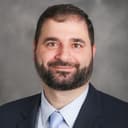
Meet Dr. Mark Blumenkranz
About Me
Mark Blumenkranz is an emeritus professor of ophthalmology at Stanford University, where he specializes in vitreoretinal diseases. His clinical focus includes age-related macular degeneration, diabetic retinopathy, complex retinal detachment, macular edema, and acute retinal necrosis. He has been a pioneer in developing advanced vitrectomy techniques and novel drug therapies for retinal conditions, helping to usher in the modern era of intravitreal and surgical adjuvant drug therapy.
Dr. Blumenkranz completed his medical degree and master's in biochemical pharmacology at Brown University, followed by an ophthalmology residency at Stanford and a vitreoretinal fellowship at Bascom Palmer Eye Institute. He founded the Retinal Fellowship Training Program at William Beaumont Eye Institute and later served as chair of Stanford's Department of Ophthalmology for nearly two decades, playing a leading role in the establishment of the Byers Eye Institute.
His research and innovation have led to new treatments for retinal diseases, including the use of anti-VEGF therapy for macular degeneration. Dr. Blumenkranz has authored over 160 scientific publications and remains active in mentoring and technology transfer to bring new ophthalmic therapies to patients.
Training
Vitreoretinal Surgery
1980University of Miami
Fellowship
Surgery Internship
1976Stanford University
Residency
Biochemical Pharmacology
1976Brown University
Masters / PhDMedicine
1975Brown University
Medical SchoolBiology
1972Brown University
Undergraduate
Awards & Honors
Albion Walter Hewlett Award
2019Stanford Medicine
Guest of Honor
2019American Academy of Ophthalmology
WW Keen Award
2019Warren Alpert School of Medicine Brown University
Lifetime Innovator Award
2017OIS
The Gass Award Lecture
2016The Retina Society
Publications & Press
Artificial Intelligence for Retinopathy of Prematurity: Validation of a Vascular Severity Scale against International Expert Diagnosis.
Ophthalmology•2022A Smartphone-Based Near-Vision Testing System: Design, Accuracy, and Reproducibility Compared With Standard Clinical Measures
OPHTHALMIC SURGERY LASERS & IMAGING RETINA•2022The Collaborative Community on Ophthalmic Imaging: Accelerating Global Innovation and Clinical Utility
OPHTHALMOLOGY•2022Comparison of Telemedicine Screening of Diabetic Retinopathy by Mydriatic Smartphone-Based vs Nonmydriatic Tabletop Camera-Based Fundus Imaging.
Journal of vitreoretinal diseases•2021Foundational Considerations for Artificial Intelligence Utilizing Ophthalmic Images.
Ophthalmology•2021
Certifications & Licensure
- Licensed In
- CA
- License Numbers
- G32202